Can You Start Ballet as an Adult?
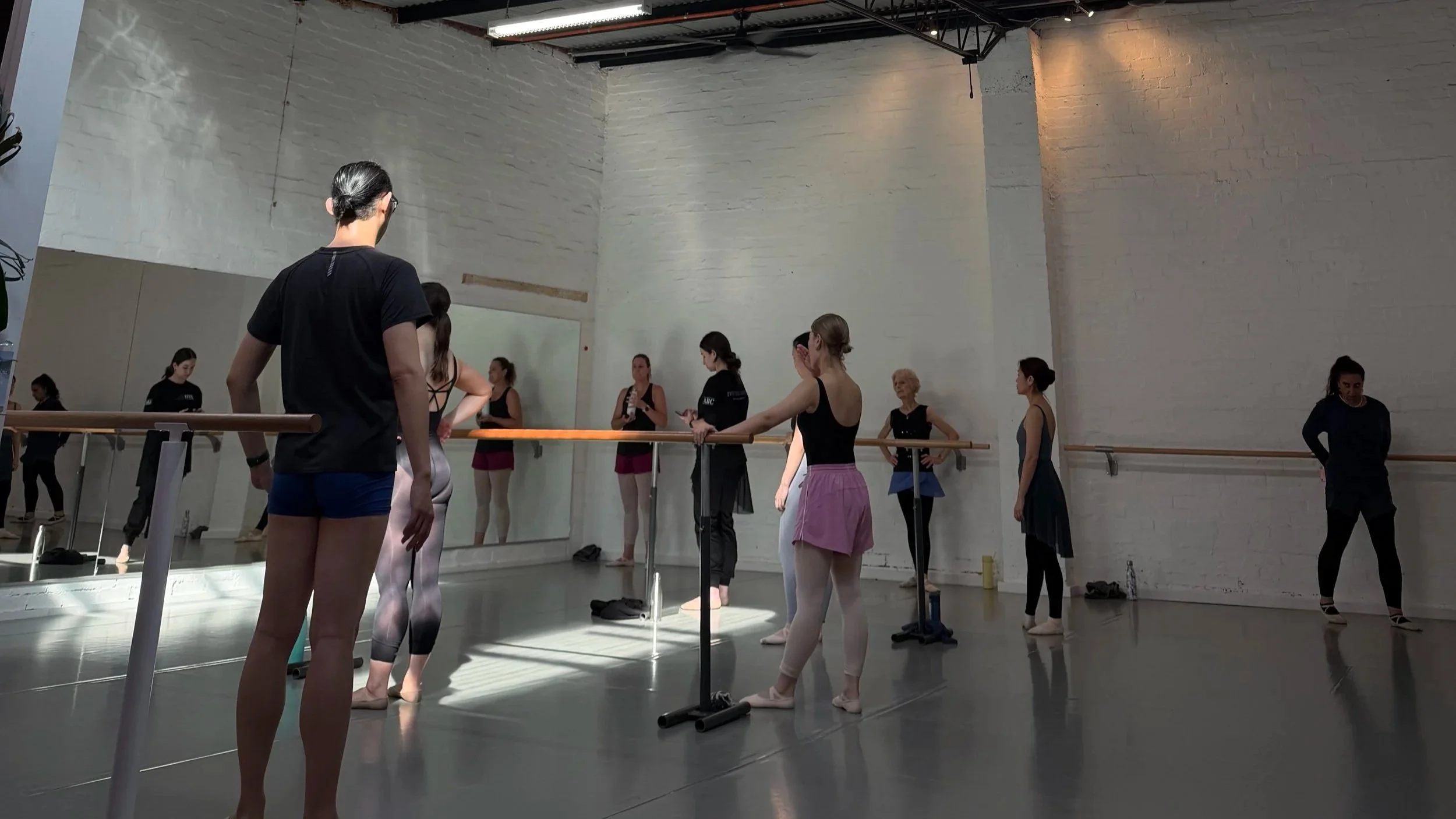
Yes. And perhaps the more useful question is: how should you start?
Adults begin ballet at many different stages of life. Some are stepping into their first class in their twenties. Others begin in their forties, fifties or sixties. Some are returning after decades away.
You do not need childhood ballet training to begin learning classical ballet as an adult.
What matters more is how you are taught, how progressively you train, and whether your training recognises that you are an adult learner.
Is There an Age When It Is Too Late to Start Ballet?
For recreational adult ballet, there is no universal age at which someone suddenly becomes “too old” to begin.
There is, however, an important distinction between learning ballet seriously as an adult and beginning the traditional childhood pathway toward a professional classical ballet career.
Those are different goals.
An adult beginning ballet later in life can still work seriously on classical technique, musicality, coordination, strength, balance, movement quality and artistry.
You do not need a professional destination to deserve excellent training.
What Can an Adult Beginner Actually Learn?
Ballet technique is built progressively.
An adult beginner can develop:
posture, placement and alignment
plié and foundational positions
weight transfer and control
coordination of arms, head and legs
turnout understanding
foot articulation
balance and stability
musical timing and phrasing
classical ballet vocabulary
barre and centre work
These elements do not appear all at once. They accumulate.
A plié prepares the body for much more than a plié. A tendu is not simply pointing the foot. The apparently simple exercises at the beginning of ballet contain principles that re-appear in increasingly complex movement later.
That is why foundations matter.
Adult Ballet Is Not Children’s Ballet Started Late
Adults bring different bodies, movement histories, strengths, fears and expectations into the studio.
They often want to understand:
Why am I doing this?
Where should I feel this?
How much turnout should I actually use?
Why can I understand the exercise but not make my body do it yet?
These are not inconveniences.
They are part of teaching adults well.
At Ballet IQ, we believe adult dancers benefit from understanding not only what to do, but also how and why.
Do You Need to Be Flexible to Start Ballet?
No. You do not need to become flexible before beginning ballet.
What If You Don’t Have Natural Turnout?
You can still learn ballet. More turnout is not automatically better turnout.
Do You Need a “Ballet Body”?
No. Strength, coordination, balance, musicality, technique and artistry can all develop through training.
Can You Learn Ballet Online?
Yes, provided the training is properly structured. There is a meaningful difference between watching ballet videos and following a progression pathway.
Where Ballet IQ Comes From
Ballet IQ grew from the work of Adult Ballet Centre® in Melbourne, Australia.
The methodology is shaped through teaching real adult dancers from complete beginner through to advanced classical levels.
That experience informs how Ballet IQ approaches adult learning, technical progression, repetition, confidence and sustainable development.
Ready to Begin?
Ballet IQ provides structured online adult ballet training for beginner and returning dancers.
Learn the foundations. Understand what you’re doing. Repeat your training whenever you need it.
One-time purchase. Lifetime access. No subscription.
Written by Mollie Harrison
Director, Ballet IQ
Head of Program Development, Adult Ballet Centre®